


The ~335 AD Hopewell Airburst Event in Ohio
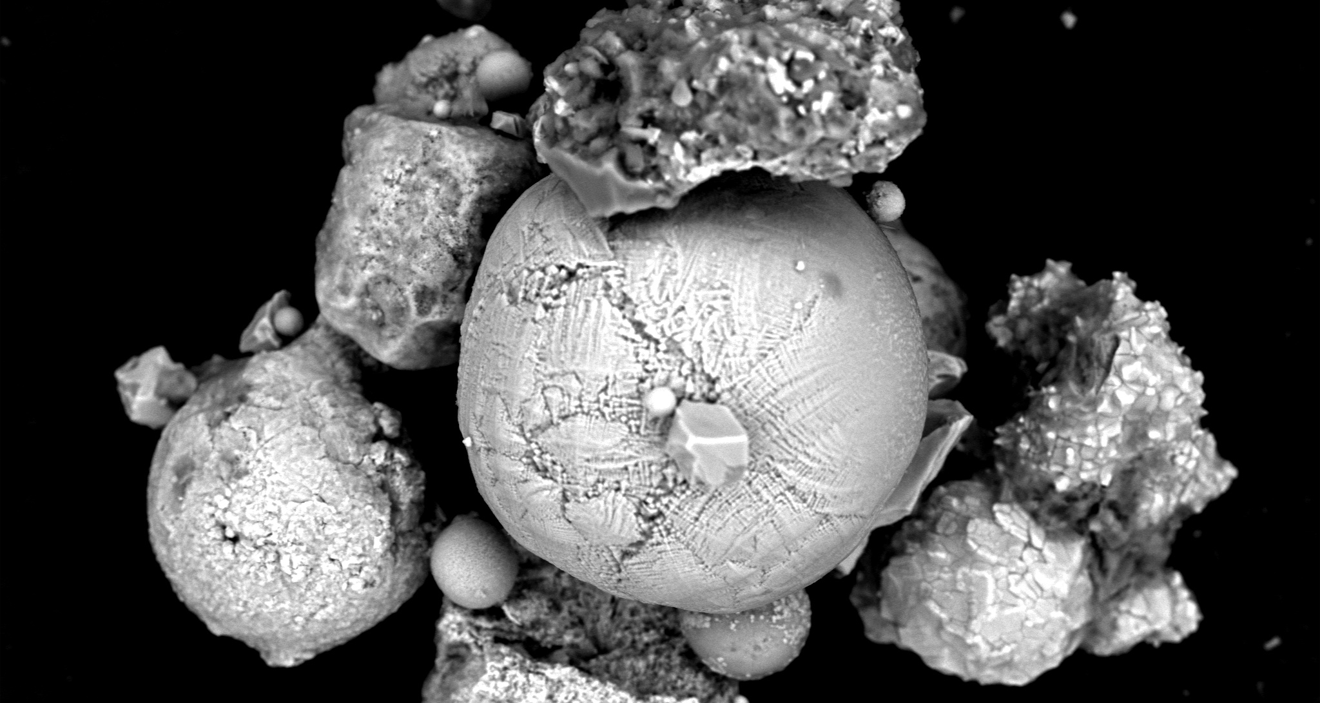
Meteorites, silicious vesicular melt glass, Fe and Si-rich magnetic spherules, positive Ir and Pt anomalies, and burned charcoal-rich Hopewell habitation surfaces demonstrate that a cosmic airburst event occurred over the Ohio River valley during...

Meteorites, silicious vesicular melt glass, Fe and Si-rich magnetic spherules, positive Ir and Pt anomalies, and burned charcoal-rich Hopewell habitation surfaces demonstrate that a cosmic airburst event occurred over the Ohio River valley during the late Holocene. A comet-shaped earthwork was constructed near the airburst epicenter. Twenty-nine radiocarbon ages demonstrate that the event occurred between 252 and 383 CE, a time when 69 near-Earth comets were documented. While Hopewell people survived the catastrophic event, it likely contributed to their cultural decline. The Hopewell comet airburst expands our understanding of the frequency and impact of cataclysmic cosmic events on complex human societies.
Abstract — The Hopewell airburst event, 1699-1567 years ago(252-383 CE) — october 13, 2021

Read the paper · scroll inside the window